

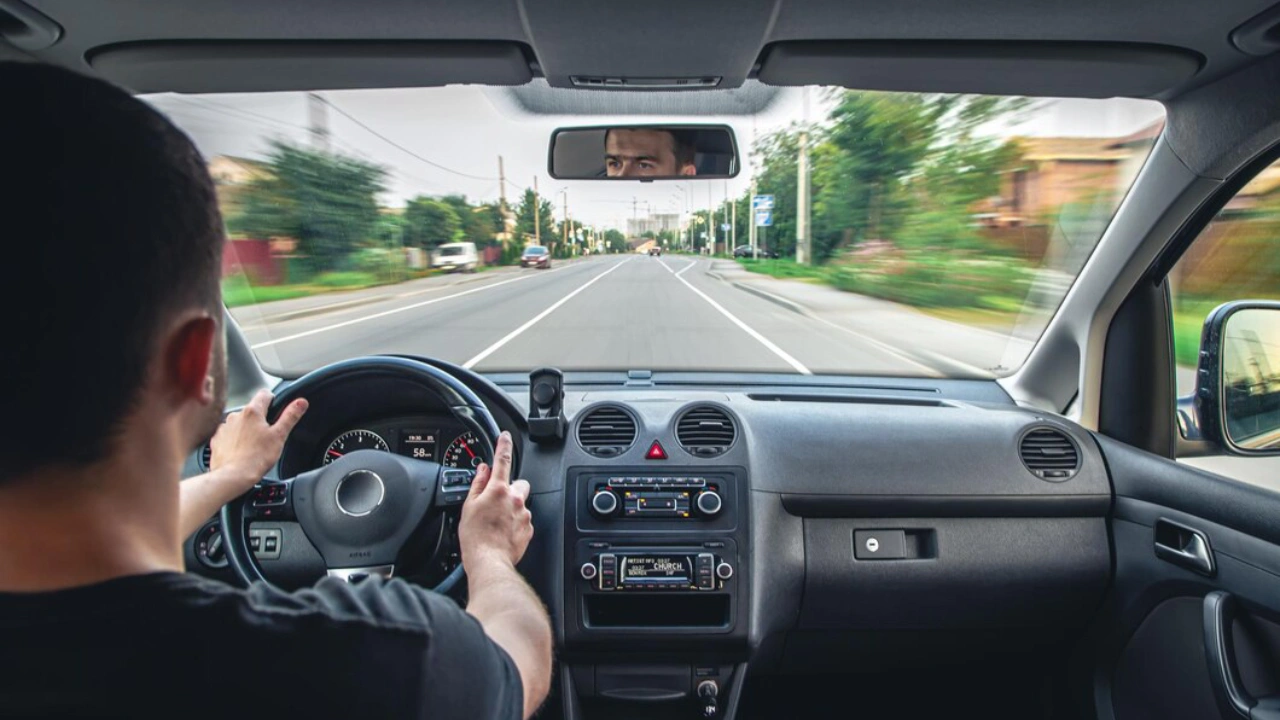
5 Dangerous Driving Habits You Should Break Before Your Road Test
Are You Making These Costly Mistakes Behind the Wheel?
A few familiar habits behind the wheel can catch you off guard during a Road Test, even when you have spent weeks practicing. Missing a blind-spot check, approaching a stop sign too quickly, or changing lanes at the last second may seem minor during everyday driving, but these actions can reveal gaps in your driving routine.
The problem is not always a lack of driving hours. Sometimes, it is repeating the same mistakes without noticing them.
If you are preparing for your driving assessment in Richmond Hill, Ontario, now is the time to examine how you observe traffic, control your speed, maintain distance, and respond to changing road conditions. Here are five habits to correct before test day, along with practical ways to work on them.
Why Everyday Driving Habits Matter During a Road Test
You might feel comfortable driving around your neighbourhood, but can you maintain that control when traffic gets busy, a pedestrian approaches a crossing, or an examiner asks you to turn onto the next street?
A driving assessment examines how you respond to real situations, not simply whether you can move a vehicle from one location to another. Your decisions, awareness, and control all contribute to how safely you drive.
Several areas deserve attention:
- Observation: Checking mirrors, scanning intersections, and looking for pedestrians, cyclists, and vehicles around you.
- Vehicle positioning: Staying within your lane and choosing suitable positions before turning.
- Speed management: Following posted limits while adjusting your speed to traffic, visibility, and road conditions.
- Traffic rules: Responding to signs, signals, right-of-way requirements, and pedestrian crossings.
- Decision-making: Selecting a safe gap, allowing enough time to react, and avoiding sudden manoeuvres.
An isolated error does not automatically mean a failed assessment in every situation. Its nature, severity, and the applicable evaluation criteria matter. However, repeated habits that compromise safety can affect your performance.
The key is to identify these patterns during practice rather than discovering them when someone is evaluating your driving.
5 Driving Habits Learners Should Correct Before Test Day
1. Skipping Mirror Checks and Blind-Spot Observations
You check your mirrors before pulling away, but do you check them often enough while driving? One missed observation can leave you unaware of a cyclist, a vehicle approaching from behind, or another road user beside your car.
Mirror checks and shoulder checks serve different purposes. Mirrors help you monitor traffic around the vehicle, while a blind-spot check lets you look into areas that reflections may not reveal.
Why this habit matters
An examiner may watch to see whether you check your surroundings before changing lanes, moving away from the curb, turning, or making another manoeuvre that requires observation. Looking in a mirror without checking the relevant blind spot may leave an important gap in your awareness.
How to correct it
- Check your mirrors regularly while keeping your attention on the road ahead.
- Before moving sideways, check your mirrors, signal as appropriate, and check the relevant blind spot.
- Observe approaching traffic and pedestrians before turning.
- Make shoulder checks brief and deliberate so you do not lose awareness of what is ahead.
Practice example: You are driving along a residential street in Richmond Hill and intend to pull away from a parked position. Observe the surrounding traffic, signal when appropriate, look over your shoulder, and move only when there is a safe gap.
Build a consistent observation routine rather than relying on one quick glance.
2. Driving Too Fast or Too Slowly for Conditions
A posted speed limit can seem straightforward until traffic slows, visibility drops, or the road becomes slippery. Some learners focus so much on staying below the limit that they drive unnecessarily slowly, while others accelerate because they feel pressured by vehicles behind them.
Both habits deserve attention.
Why this habit matters
Speed affects stopping distance, the time available to react, and your ability to manage turns and intersections. Driving too slowly without a reason can also disrupt traffic or create uncertainty for other drivers.
However, travelling below the posted limit is not automatically unsafe. Rain, snow, poor visibility, congestion, and nearby pedestrians may require you to reduce speed.
How to correct it
- Monitor your speed without staring at the speedometer.
- Reduce speed early when approaching intersections, sharp curves, and changing traffic conditions.
- Allow yourself ample time to decelerate gradually.
- Avoid accelerating merely because another driver is following closely.
- Maintain a suitable pace for the conditions while obeying the applicable speed limit.
Practice example: You approach an intersection where parked vehicles partly obstruct your view. Rather than maintaining the same speed, ease off the accelerator and prepare to stop if necessary.
During practice, ask your instructor to point out situations where your speed was unsuitable for the conditions. Recognizing these situations helps you make more deliberate decisions during an assessment.
3. Rolling Through Stop Signs or Rushing Intersections
The road appears empty. You slow down, glance both ways, and continue without stopping completely. It takes only a moment, but that rolling stop is a habit worth correcting before test day.
A stop sign requires a complete stop at the legally required position. Slowing down is not a substitute.
Why this habit matters
Intersections bring together vehicles, pedestrians, cyclists, and drivers making different decisions. Failing to stop properly or checking only one direction can leave you unaware of a person crossing or a vehicle with the right of way.
An examiner may observe your stopping position, whether the vehicle comes to a complete stop, how you scan for hazards, and whether you proceed when it is safe.
How to correct it
- Identify stop signs early and begin slowing down smoothly.
- Stop completely at the required location, following applicable Ontario rules.
- Look in the relevant directions for vehicles, cyclists, and pedestrians.
- Assess visibility before proceeding, making another stop if necessary.
- Yield when required and turn only when the manoeuvre is safe and permitted.
Practice example: You reach a stop sign with parked vehicles obstructing your view. Stop at the required position, assess what you can see, and move forward cautiously only as permitted and when safe to do so.
Do not rush simply because another vehicle is waiting behind you. A deliberate decision is more important than saving a few seconds.
4. Following Other Vehicles Too Closely
When traffic starts moving, it is tempting to close the gap ahead. After all, the vehicle in front has already accelerated, so why leave so much space?
That thinking can leave you with little time to react when traffic suddenly slows.
Why this habit matters
A safe following distance gives you additional time to respond to braking, unexpected obstacles, and changes in traffic. If you follow too closely, even a small reduction in speed ahead may force you to brake abruptly.
An examiner may notice whether you maintain enough space, anticipate traffic changes, and control your braking smoothly.
How to correct it
- Use a time-gap method to assess following distance under suitable conditions.
- Increase the gap in rain, snow, poor visibility, or on slippery surfaces.
- Watch the traffic several vehicles ahead when possible.
- Ease off the accelerator when traffic begins to slow.
- Avoid repeatedly accelerating and braking because you are too close to the vehicle ahead.
A fixed distance does not suit every speed or road condition. Your available stopping space must account for visibility, traction, traffic, and your vehicle’s response.
Practice example: You are travelling behind a car approaching a red light. Instead of waiting until its brake lights illuminate, observe the intersection and begin easing off the accelerator as traffic slows.
This habit can make your driving smoother and leave you with more time to respond.
5. Making Last-Minute Lane Changes and Unsignalled Manoeuvres
You hear an instruction to turn at the next street, but you are already in the wrong lane. Do you force your way across, brake suddenly, or continue straight?
The safest response is not always the one that follows the instruction immediately.
Why this habit matters
Sudden lane changes can surprise other drivers and reduce the space available for everyone to react. An unsignalled manoeuvre also makes your intentions less predictable.
During an assessment, the examiner may observe your lane position, signalling, mirror use, blind-spot checks, and whether you choose a safe gap before moving.
How to correct it
- Read the road ahead and identify lane markings early.
- Signal in advance when required and appropriate.
- Examine your mirrors and the relevant blind spot.
- Move only when there is enough space to complete the manoeuvre safely.
- Keep a steady lane position and avoid abrupt steering.
- If you miss a turn, continue safely and follow the next instruction.
Practice example: You are approaching a junction and notice that the required turning lane is congested. Do not cut across a solid line or force another driver to brake. Continue according to the road rules and follow the examiner’s next direction.
Missing a turn is not a reason to make an unsafe manoeuvre. Your decisions should reflect safe driving, not the pressure to follow a route perfectly.
Road Test Mistakes to Avoid During Practice Sessions
The five habits above are not the only issues that can interfere with your preparation. The way you practice can also influence how quickly you identify recurring problems.
Watch for these common preparation mistakes:
- Memorizing a route: Learn to read signs, markings, and traffic conditions instead of relying on memory.
- Driving only on quiet streets: Gradually practice on different roads and in busier traffic when appropriate.
- Ignoring parking and reversing: Include parallel parking, reversing, and other manoeuvres required for your assessment.
- Skipping vehicle checks: Check basic equipment before a practice session so vehicle issues do not catch you off guard.
- Driving while distracted: Keep your phone away and direct your attention to the driving task.
- Repeating mistakes without reviewing them: After each session, identify two or three areas that need attention.
- Leaving unfamiliar manoeuvres until the final session: Practice them over time with appropriate supervision.
A simple practice log can help you identify patterns. Record the manoeuvre, the error, the reason it occurred, and what you will do differently next time.
For example, if you repeatedly forget shoulder checks before changing lanes, make that observation routine a specific goal for your next supervised drive.
How to Prepare for a Driving Road Test Without Last-Minute Panic
Trying to correct every driving habit the night before your appointment can leave you overwhelmed. A steady practice schedule gives you more opportunities to identify errors, repeat manoeuvres, and develop consistent routines.
Use this preparation plan in the weeks leading up to your assessment.
1. Schedule regular practice sessions. Practise with a qualified instructor or an eligible accompanying driver, following Ontario’s rules for your licence class. Focus on one or two recurring problems during each session.
2. Practice in different traffic conditions. Include residential streets, busier roads, intersections, and lane changes when conditions and supervision permit. Gradually introduce more demanding situations as your control improves.
3. Review Ontario road rules and signs. Revisit right-of-way, speed limits, turning rules, pedestrian crossings, and road markings. Use the official Ontario Driver’s Handbook as a reference.
4. Rehearse common manoeuvres. Practise stopping, turning, parking, reversing, changing lanes, and checking your surroundings. Ask for feedback on the steps you miss or perform inconsistently.
5. Inspect the vehicle ahead of time. Confirm that the car is suitable for the test and that its required equipment functions correctly.
6. Confirm your appointment details. Verify the test location, arrival instructions, required documents, and booking confirmation. Leave enough time for travel and check-in.
7. Rest before test day. Avoid exhausting yourself with repeated practice immediately before the assessment. Arrive alert, allow time to settle in, and focus on each instruction as it comes.
These road test preparation tips can help you prepare for a driving road test in a more organized way. Progress comes from practicing safely, reviewing feedback, and correcting recurring habits, not from memorizing a particular route.
What to Check Before Taking a Driving License Road Test
Administrative issues and vehicle problems can create unnecessary complications on test day. Before you take a road test, confirm the current requirements for your license class through official Ontario and DriveTest sources.
Here is a practical checklist.
- Confirm your booking: Review the date, time, test centre, and confirmation details.
- Bring the required identification and license documents: Verify which documents apply to your situation and license class.
- Examine the vehicle: Make sure it is in working order, properly plated and insured, and suitable for the scheduled assessment.
- Inspect basic equipment: Verify the signals, brake lights, horn, mirrors, tires, and other required vehicle components.
- Bring corrective lenses if required: Wear the glasses or contact lenses needed to drive safely.
- Review the assessment process: Familiarize yourself with the general procedures and the types of driving skills that may be evaluated.
- Follow the examiner’s instructions: Listen carefully and ask questions about the procedure before the test begins if anything is unclear.
DriveTest states that candidates should arrive at least 30 minutes early and bring their current driver’s license, vehicle in working order, required corrective lenses, sufficient fuel, and road test confirmation. Check the current DriveTest car road test instructions before leaving.
When reviewing road test procedures, remember that the applicable requirements may differ according to license class and individual circumstances. Do not rely on an old checklist or information from an unrelated license category.
For road test safety checks, pay attention to both your own readiness and the vehicle’s condition. An assessment cannot proceed as intended if the vehicle fails applicable requirements.
Preparing for a Road Test in Richmond Hill, Ontario
Learners in Richmond Hill should practice across a range of road environments rather than becoming comfortable with only one familiar neighbourhood.
Residential streets provide opportunities to work on stop signs, parked vehicles, pedestrian awareness, and controlled turns. Busier roads allow you to practice lane positioning, signalling, traffic flow, and selecting safe gaps.
Weather can also change the demands of driving. Rain, snow, reduced visibility, and slippery surfaces may require adjustments to speed, following distance, and braking.
During local practice, focus on these areas:
- Scan for pedestrians near crossings and intersections.
- Read signs and lane markings early.
- Check mirrors and blind spots before appropriate manoeuvres.
- Maintain a suitable following distance.
- Practice parking and reversing with safe supervision.
- Adapt to traffic conditions rather than relying on a memorized route.
Review your appointment location before test day, and allow enough time to arrive there without rushing. Do not assume a particular street or intersection is part of the official assessment unless the testing authority confirms it.
For learners preparing in Richmond Hill, consistent practice across different road settings can help reveal habits that remain unnoticed on familiar routes.
Frequently Asked Questions
1. What are the most common road test mistakes?
Common errors include missed mirror checks, inadequate blind-spot observations, incorrect signalling, unsuitable speed, following too closely, and failing to yield when required. Parking and reversing errors may also affect an assessment. The outcome depends on the applicable evaluation criteria, the nature of the error, and whether the driving behaviour creates a safety concern.
2. How can I prepare for a driving road test?
Schedule regular supervised practice, review Ontario road rules, and rehearse turns, stops, lane changes, parking, and reversing. Ask your instructor to identify recurring errors and practice correcting them. Driving on different types of roads, where permitted, can also help you develop consistent observation and vehicle-control habits.
3. Can one mistake cause me to fail a road test?
The result depends on the type and severity of the error and the applicable assessment criteria. Not every minor mistake automatically means failure, but an action that creates a serious safety concern can have significant consequences. Focus on making safe decisions throughout the assessment rather than trying to drive perfectly.
4. What should I bring to my driving test appointment in Ontario?
Review the current DriveTest instructions for your license class. For a car assessment, the listed items include your current driver’s license, confirmation of your appointment, any required corrective lenses, and a suitable vehicle with sufficient fuel. Verify the current requirements before leaving home.
5. How early should I arrive for my road test?
DriveTest advises candidates to arrive at least 30 minutes before their scheduled appointment. Follow the instructions in your booking confirmation, allow time for travel and check-in, and check for service disruptions before setting out. Arriving early can help you avoid unnecessary rushing before the assessment.
6. Can driving lessons help me prepare for a road test in Richmond Hill?
Driving lessons can help you identify recurring errors, practice manoeuvres, and receive feedback on observation, speed management, lane positioning, and vehicle control. An instructor can also help you work on specific concerns during supervised sessions. Your progress will depend on your current skills, practice, and ability to apply feedback consistently.
Get Ready for Your Next Road Test in Richmond Hill
A familiar route can make driving feel routine, but test day requires you to remain attentive, assess traffic, and make safe decisions as situations change.
Start by reviewing the five habits in this article. Practise your mirror and blind-spot checks, maintain a suitable speed and following distance, stop correctly, and plan lane changes early. Use feedback from each practice session to identify what still needs work.
If you would like help preparing for your next assessment, Acorn Drivers Academy can be your next point of contact for driving lessons and road test preparation in Richmond Hill.
Address: 140 Regatta Ave, Richmond Hill, ON L4E 4R2, Canada
Phone: +1 416-629-5800
Call Acorn Drivers Academy at +1 416-629-5800 to discuss driving lessons and preparation for your upcoming assessment. Start working on those recurring habits now, so you can approach test day with a clear plan and a stronger focus on safe driving.